
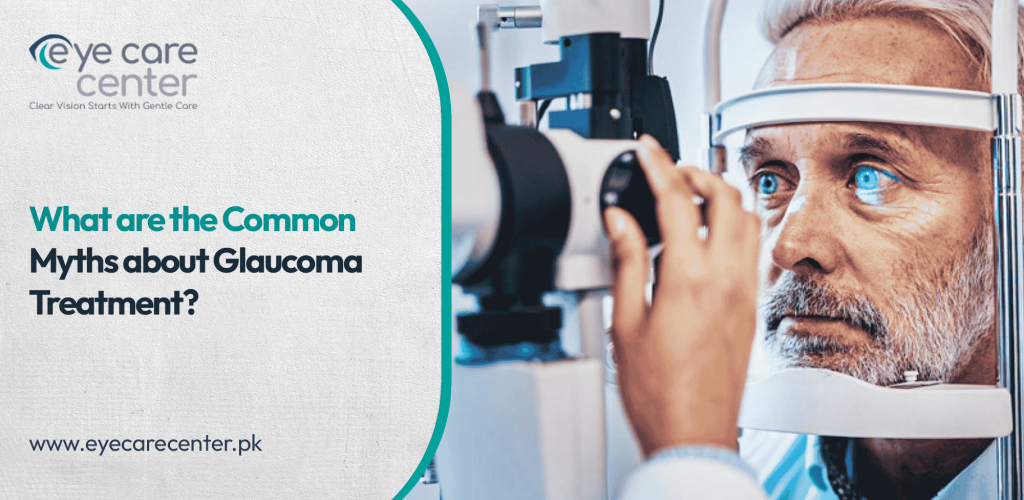
Eyes allow people to experience life’s most precious moments, from a child’s smile to a beautiful sunset. But for many people around the world, these moments are taken away by glaucoma. It slowly threatens that gift of sight without warning. Sadly, many people do not seek proper care for it. They mostly believe myths that surround glaucoma and its treatment.
Some simply ignore early symptoms, thinking glaucoma only affects older adults. Others may fear surgery because someone told them it always causes blindness. These misunderstandings quietly damage vision day after day.
The truth is simple: modern Glaucoma Treatment is advanced, and early care can protect vision for years. In Pakistan, effective treatment for glaucoma is provided at the Eye Care Center through Dr. Nabeel Khalid, who employs his expertise in restoring the eyesight of his patients.
Understanding the facts versus misconceptions about glaucoma can make the difference between protecting your vision and losing it permanently. This article aims to clear up common myths about glaucoma treatment by explaining the real facts in simple, easy-to-understand terms.
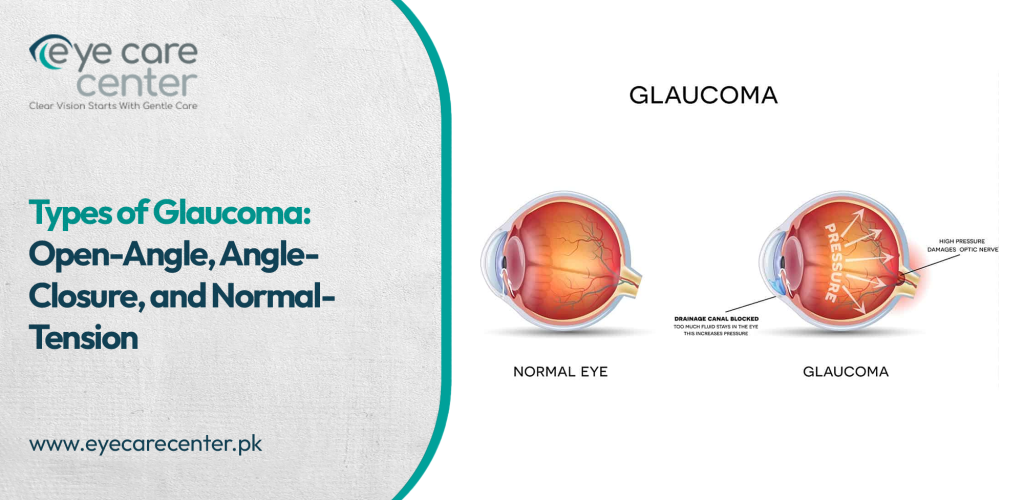
Glaucoma refers to a cluster of eye disorders characterized by optic nerve damage. It results from high eye pressure. Though glaucoma may occur even when eye pressure levels are normal.
The disease is progressive and shows no symptoms during its initial stages. For this reason, it is commonly referred to as the “silent thief of sight.” Vision loss from glaucoma cannot be reversed without appropriate glaucoma treatment.
Misinformation could lead to delayed medical attention, cause unnecessary fear, and even stop patients from safeguarding their eyesight. Some of the myths circulating on the internet, in families, and even outdated ideas are common among people and need to be addressed. Here are some of the most common myths about glaucoma treatment:
Human beings are wired to trust their bodies. Seeing fine does not mean glaucoma is not there. It is called the “silent thief of sight” for a reason. The most common form of the disease initially destroys peripheral vision, the ability to see things out of the corner of your eye.
A person’s central vision remains sharp and clear for a long time, while the peripheral vision slowly, silently disappears. The brain is remarkably good at compensating for small patches of vision loss, meaning by the time a person notices “tunnel vision” or significant blurring, the disease is already in an advanced stage.
Glaucoma treatment is most effective when it starts before you notice a change in your vision. Regular eye exams are the only way to catch it early enough to make a difference
It is common for people to think that glaucoma occurs only when one becomes older than 60 years. Although there is an increased likelihood at an older age. Glaucoma can occur even in someone in their 20s, 30s, or even a baby (congenital glaucoma). People with the following conditions are at higher risk of developing:
However, young people do not usually undergo an eye exam. They believe that they are too young to develop the disease. However, such procrastination may result in permanent loss of vision. It can also cause irreversible damage. Hence, eye exams are crucial regardless of one’s age.
Hearing the word “glaucoma” often creates fear. Many patients immediately think they will eventually go blind. It creates a feeling of hopelessness that causes patients to give up easily. Even before they have begun to fight. This fear is understandable. However, the advent of modern medicine has changed the face of treatment for glaucoma.
Vision loss resulting from glaucoma is not inevitable. For the most part, vision loss can be prevented by following the treatment properly. It is the same as managing conditions such as diabetes and hypertension. Patients just need constant management. Millions of people with glaucoma continue reading, driving, working, and enjoying daily life.
A lot of patients consider eye drops as a cure for glaucoma for life. Regrettably, glaucoma is mostly a lifelong disease. While eye drops alleviate glaucoma, they do not provide a permanent cure. The objective of these eye drops is to lower eye pressure. They also slow down the deterioration of optic nerves. Being frustrated by eye drops makes sense since these eye drops can be fumbled easily.
Moreover, redness or irritation could happen due to eye drops. Dry eyes, because of preservatives contained in medication, could also occur. Therefore, most people think that it is okay to stop taking the medicine for some time. This is another terrible mistake. Additionally, there are many other alternatives besides eye drops. Lifetime treatment of glaucoma may involve:
The thought of eye surgery naturally makes people nervous. Many patients hesitate to start treatment because they fear even the diagnostic tests. In reality, the “puff of air” test (tonometry) and the various imaging scans used to monitor the optic nerve are entirely painless.
Others worry because they heard horror about certain types of glaucoma treatment years ago. However, it should be noted that nowadays all glaucoma surgeries are much more advanced and safe than many people could imagine. Actually, such procedures are conducted using only local anesthesia or mild sedation so that the patient does not feel any pain.
Additionally, most glaucoma operations are minimally invasive and have high success rates. Eye specialists carefully choose procedures based on each patient’s condition. The real “pain” comes from the regret of losing vision that could have been protected.
It is very sad but true, the vision lost because of glaucoma cannot be regained. Once the optic nerve (which can be regarded as a kind of fiber-optical wire that carries images from your eye to the brain) suffers damage. There will be no way to restore its functioning.
Current glaucoma treatment seeks to preserve the remaining vision of a patient. It is very discouraging to know this fact, but it should be regarded as an opportunity. Protecting eyesight early is much easier than trying to manage severe vision loss later.
Glaucoma refers to a cluster of eye disorders characterized by optic nerve damage. It results from high eye pressure. Though glaucoma may occur even when eye pressure levels are normal.
The disease is progressive and shows no symptoms during its initial stages. For this reason, it is commonly referred to as the “silent thief of sight.” Vision loss from glaucoma cannot be reversed without appropriate glaucoma treatment.
Misinformation could lead to delayed medical attention, cause unnecessary fear, and even stop patients from safeguarding their eyesight. Some of the myths circulating on the internet, in families, and even outdated ideas are common among people and need to be addressed. Here are some of the most common myths about glaucoma treatment:
Human beings are wired to trust their bodies. Seeing fine does not mean glaucoma is not there. It is called the “silent thief of sight” for a reason. The most common form of the disease initially destroys peripheral vision, the ability to see things out of the corner of your eye.
A person’s central vision remains sharp and clear for a long time, while the peripheral vision slowly, silently disappears. The brain is remarkably good at compensating for small patches of vision loss, meaning by the time a person notices “tunnel vision” or significant blurring, the disease is already in an advanced stage.
Glaucoma treatment is most effective when it starts before you notice a change in your vision. Regular eye exams are the only way to catch it early enough to make a difference
It is common for people to think that glaucoma occurs only when one becomes older than 60 years. Although there is an increased likelihood at an older age. Glaucoma can occur even in someone in their 20s, 30s, or even a baby (congenital glaucoma). People with the following conditions are at higher risk of developing:
However, young people do not usually undergo an eye exam. They believe that they are too young to develop the disease. However, such procrastination may result in permanent loss of vision. It can also cause irreversible damage. Hence, eye exams are crucial regardless of one’s age.
Hearing the word “glaucoma” often creates fear. Many patients immediately think they will eventually go blind. It creates a feeling of hopelessness that causes patients to give up easily. Even before they have begun to fight. This fear is understandable. However, the advent of modern medicine has changed the face of treatment for glaucoma.
Vision loss resulting from glaucoma is not inevitable. For the most part, vision loss can be prevented by following the treatment properly. It is the same as managing conditions such as diabetes and hypertension. Patients just need constant management. Millions of people with glaucoma continue reading, driving, working, and enjoying daily life.
A lot of patients consider eye drops as a cure for glaucoma for life. Regrettably, glaucoma is mostly a lifelong disease. While eye drops alleviate glaucoma, they do not provide a permanent cure. The objective of these eye drops is to lower eye pressure. They also slow down the deterioration of optic nerves. Being frustrated by eye drops makes sense since these eye drops can be fumbled easily.
Moreover, redness or irritation could happen due to eye drops. Dry eyes, because of preservatives contained in medication, could also occur. Therefore, most people think that it is okay to stop taking the medicine for some time. This is another terrible mistake. Additionally, there are many other alternatives besides eye drops. Lifetime treatment of glaucoma may involve:
The thought of eye surgery naturally makes people nervous. Many patients hesitate to start treatment because they fear even the diagnostic tests. In reality, the “puff of air” test (tonometry) and the various imaging scans used to monitor the optic nerve are entirely painless.
Others worry because they heard horror about certain types of glaucoma treatment years ago. However, it should be noted that nowadays all glaucoma surgeries are much more advanced and safe than many people could imagine. Actually, such procedures are conducted using only local anesthesia or mild sedation so that the patient does not feel any pain.
Additionally, most glaucoma operations are minimally invasive and have high success rates. Eye specialists carefully choose procedures based on each patient’s condition. The real “pain” comes from the regret of losing vision that could have been protected.
It is very sad but true, the vision lost because of glaucoma cannot be regained. Once the optic nerve (which can be regarded as a kind of fiber-optical wire that carries images from your eye to the brain) suffers damage. There will be no way to restore its functioning.
Current glaucoma treatment seeks to preserve the remaining vision of a patient. It is very discouraging to know this fact, but it should be regarded as an opportunity. Protecting eyesight early is much easier than trying to manage severe vision loss later.
Stop Vision Loss Early with Expert Glaucoma Treatment at Eye Care Center
Dr. Nabeel delivers modern eye care solutions for safer and healthier eyesight
The experience of going through a glaucoma diagnosis can be emotional. However, with advanced Glaucoma Treatment in Lahore, patients now have access to safer and more effective treatment options to help protect their vision.
Individuals at high risk of glaucoma should ignore harmful myths and seek professional eye care without delay. Early diagnosis and timely treatment are essential to protecting vision for life. Consulting an experienced specialist like Dr. Nabeel Khalid can provide patients with expert guidance, advanced glaucoma management, and personalized care.
Known for his dedication to preserving eyesight, Dr. Nabeel Khalid offers trusted treatment solutions that help patients manage glaucoma effectively. Your vision is invaluable, and with expert care at the Eye Care Center, you can safeguard it for the future.

Start Your Eye Care Today Good vision is perhaps one of the greatest gifts that a person can have. Vision makes it possible for people to fully experience
Start Your Eye Care Today A better vision can transform lives. It can help in working, driving, reading books, enjoying hobbies, and connecting with people without any fear.
Most people know that Parkinson’s disease causes hands to shake and body movements to slow down. However, a lot of people do not know that this disease can
Cataracts are some of the most common conditions associated with aging eyes worldwide. In this condition, the natural lens gradually starts to be clouded, due to which an
While deciding to have an eye treatment, the primary focus remains on eye health and better vision. Though it’s critical to understand that it’s about one’s general well-being.
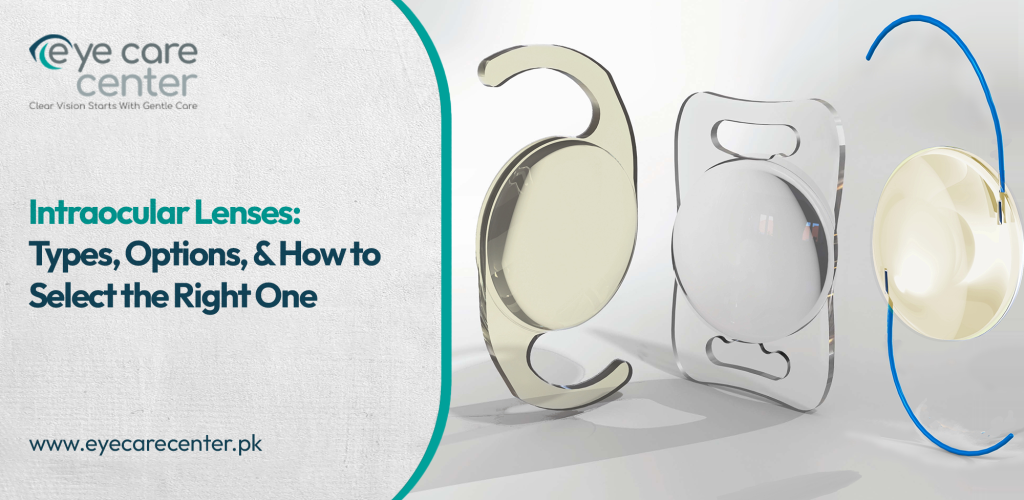
Inability to see the world clearly is something that can limit everything in your life. Cataract or cloudy eye lenses are a medical condition that can interfere with
Cataract surgery is for treating cloudy lens problems. It has become the safest cloudy eye problem solution today. It brings your clear vision back. However, Recovery After Cataract
Glaucoma is one of the leading causes of permanent vision loss. Yet a lot of people carry this condition for years without knowing it. Rather than a single