
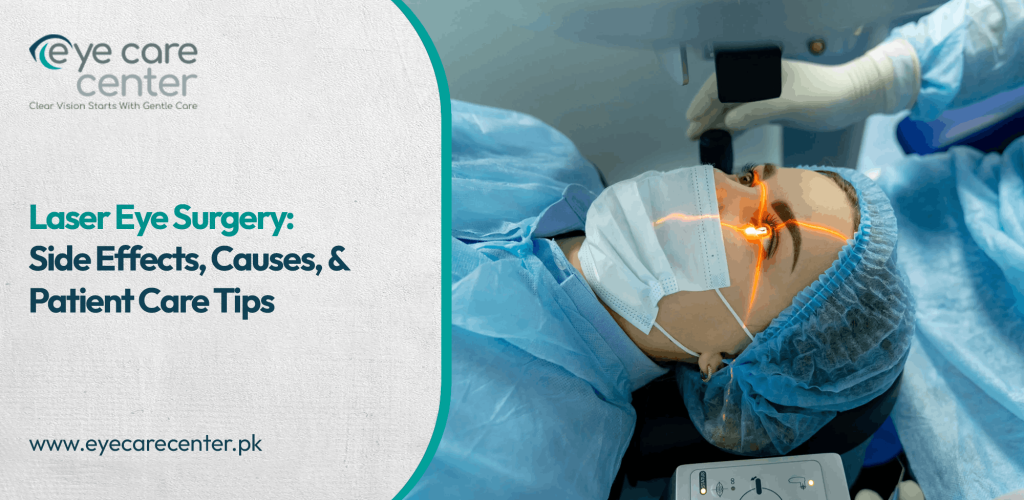
While deciding to have an eye treatment, the primary focus remains on eye health and better vision.
Though it’s critical to understand that it’s about one’s general well-being. Laser eye surgery is an effective surgical procedure. Most individuals call it LASIK. This treatment corrects vision by adjusting the cornea.
Surgery greatly decreases reliance on contacts and glasses. Although results are largely favourable, some other factors, like the presence of underlying conditions and postoperative care, including proper recovery tips after surgery, affect the efficacy.
However, as with all procedures, the operation has some cons, along with pros.
For instance, dry eyes and increased sensitivity to light may occur following surgery. Therefore, it is crucial to know more about the procedure, its benefits, and risks before undergoing it. In having positive results, the most essential part is your surgeon’s selection. Approaching a competent surgeon like Dr Muhammad Nabeel Khalid with a solid background in corneal diseases and refractive surgery can guarantee safety and success.
He assesses each patient with a keen focus on reducing complications and increasing safety during laser eye treatment. This article emphasises the side effects and reasons for LASIK and provides useful patient tips regarding aftercare.
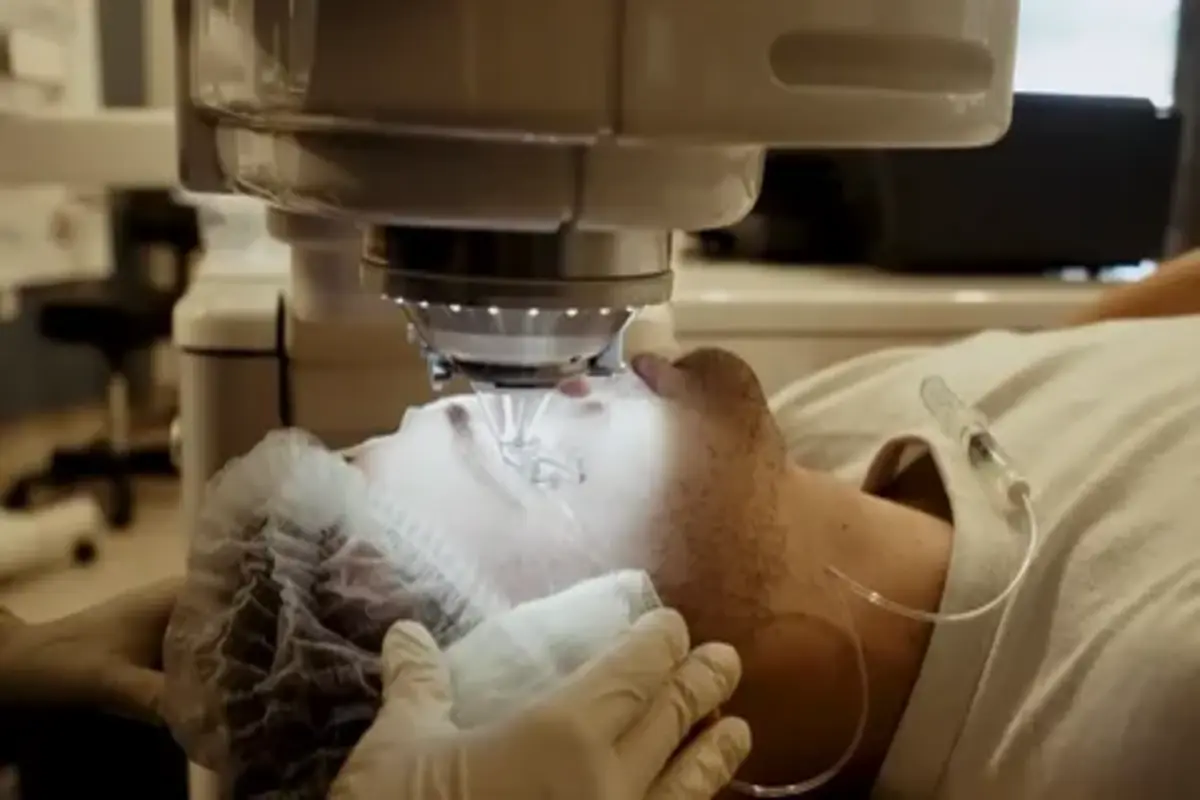
The surgery procedure takes nearly 25 to 35 minutes. The patient has to lie down on a reclining chair. Then the doctor proceeds by using special eye drops. These eye drops numb the surgical area. Moreover, a suction ring is a necessary component during this surgery, just as different types of glaucoma require careful medical evaluation before any eye procedure.
Its application might give a feeling of a little pressure on the eye, but that helps in keeping the eyes open and stable during this surgery. After that, the surgeon uses the laser or a small blade to create a small flap. Then, an automated laser is used for cornea reshaping. Each calculated laser beam exposure removes certain uneven corneal tissues.
This reshaping corrects the way light enters the eye and improves focus. When the reshaping adjustment is complete, the surgeon lays the flap back to its position. It naturally adheres and doesn’t need sutures, as it is self-healing in nature.
After the procedure, it is normal to have temporary side effects. These include burning, itching, watery running, irritation, or blurred vision. After a few days, your eyes will start to adjust to the new changes. Some additional tips involve,
The oculist will prescribe pain-relieving medications. It can be either in the form of eye drops or medicine to reduce discomfort and prevent infections.
It is also important to cover the eyes to protect them from sunlight and other harmful elements (for example, dust). Moreover, it is necessary to limit your screen exposure, as it puts unnecessary pressure on the eyes. In turn, it affects its healing process.
Dust particles can cause irritation or redness in the eye. So, avoid going to such smoky or dusty places or use protective glasses. Avoid eye makeup for a month, as beauty products have contaminants that can react with the eyes.
So avoid rubbing them, and carefully attend follow-up appointments and observe post-surgery instructions for fast recovery.
Have a hassle-free life with clear vision, no glasses or lenses. Visit Eye Care Centre for laser eye treatment
Consult Dr Muhammad Nabeel Khalid for compassionate care and advanced laser eye treatment
Although laser surgery is considered a safe, popular, and reliable eye treatment option. Its satisfaction rate is 95% among patients for correcting vision problems. Although there is a risk of temporary vision loss, it is almost rare (0.1%).
Most of the side effects usually resolve during a healing period of about 4 to 6 months. Additionally, there are some other side effects or risks that can occur.
It is one of the most common side effects in most patients (70-80%). It is popular to feel sandy. It also includes sensations of itching and burning and involves temporary nerve damage.
Some other risky problems include double vision and halos around bright lights. It is caused by corneal swelling and irregularities during the healing process.
As it is the surgery that involves flap cutting and adjustments, there is a chance of flap-related complications occurring. It involves corneal flap wrinkles (striae) and dislocation. All these conditions lead to blurry vision.
During surgery, if a patient gets insufficient or excessive removal of tissue problem will not resolve completely. Getting an enhancement procedure and follow-up becomes necessary in such cases.
It is another rare but very serious complication. Here, corcena shows more change in its shape, becomes too thin and has excessive weakness.
In this condition, an inflammation response shows an infection, like keratitis or sterile inflammation. Despite its rarity, it may cause pain and vision loss.
In this condition, as time passes, a patient's vision gets back to the original prescription.
In addition, some factors can increase the chances of other complications for laser eye surgery side effects. It includes a weak immune system, autoimmune diseases, a pre-existing corneal condition, and recent hormonal or medication change-related conditions.
Laser eye surgery yields good results. Yet all does not end in the operating room. In fact, careful management complements the surgical outcomes. In this context right patient selection comes top of the list.
Moreover, the care measurements before and after the surgery help in faster healing. Here are some patient care tips to follow before the surgical procedure.
It’s a common practice to have a wavefront analysis before LASIK surgery. The doctor uses scanners to create an advanced topographic map, like a chart, that contains the necessary eye measurements needed to plan the surgery accurately.
In the end, laser eye surgery is a high-impact procedure that not only corrects vision but also improves the overall quality of life of an individual. Yet, the picture completes when you understand its causes, side effects, their causes, and the care required by patients that helps in rehabilitation afterwards.
The LASIK procedure works by correcting corneal irregularities through surgical treatment. Most folks consider it free to make their life hassle-free and independent of glasses or lenses. Some of its associated risks are temporary, such as dry eyes or infections. However, in very exceptional cases, vision loss may occur.
It is more possible to have a safe recovery if a patient gets expert advice and regular care. That is why it is important to find and select the right surgeon for visual stability after surgery.
Dr Muhammed Nabeel Khalid is a proven ophthalmologist at the Eye Care Center and would be a great choice. He is an oculist who carefully evaluates the patient’s eye and provides advanced care in cataract surgery, laser eye surgery, and glaucoma treatment, ensuring personalised management of each condition. He also focuses on minimising risk and managing laser eye surgery side effects effectively. All you have to do is approach a compassionate surgeon and follow the perioperative and postoperative care strategies for lasting vision outcomes.
Start Your Eye Care Today Good vision is perhaps one of the greatest gifts that a person can have. Vision makes it possible for people to fully experience
Start Your Eye Care Today A better vision can transform lives. It can help in working, driving, reading books, enjoying hobbies, and connecting with people without any fear.
Most people know that Parkinson’s disease causes hands to shake and body movements to slow down. However, a lot of people do not know that this disease can
Eyes allow people to experience life’s most precious moments, from a child’s smile to a beautiful sunset. But for many people around the world, these moments are taken
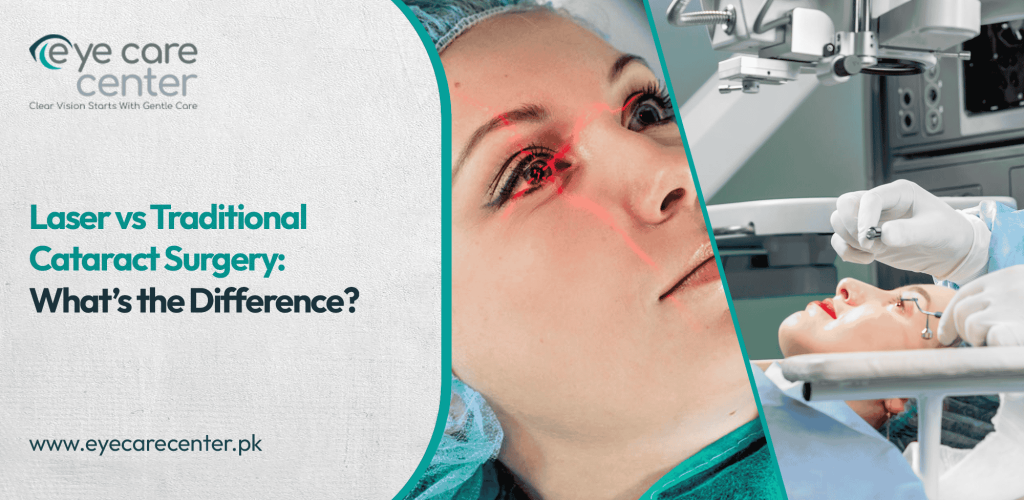
Cataracts are some of the most common conditions associated with aging eyes worldwide. In this condition, the natural lens gradually starts to be clouded, due to which an
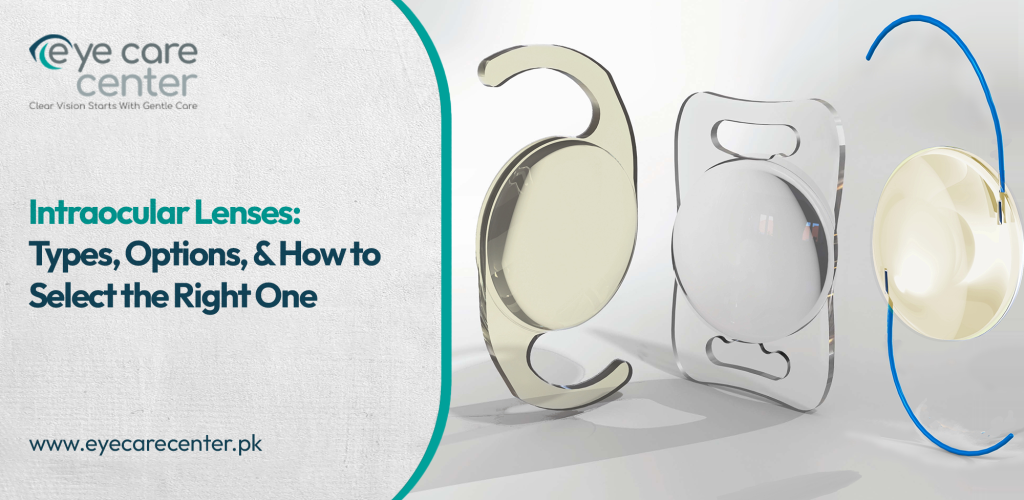
Inability to see the world clearly is something that can limit everything in your life. Cataract or cloudy eye lenses are a medical condition that can interfere with
Cataract surgery is for treating cloudy lens problems. It has become the safest cloudy eye problem solution today. It brings your clear vision back. However, Recovery After Cataract
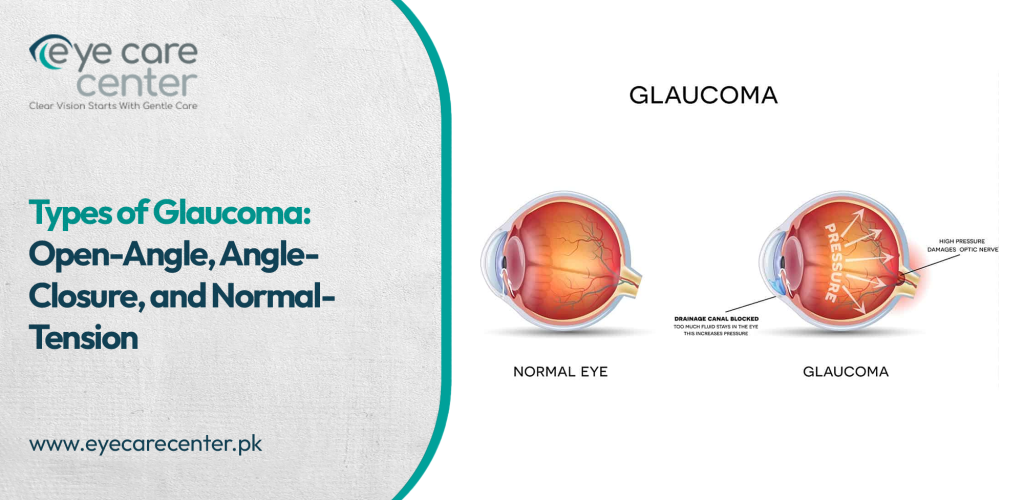
Glaucoma is one of the leading causes of permanent vision loss. Yet a lot of people carry this condition for years without knowing it. Rather than a single