
Most people know that Parkinson’s disease causes hands to shake and body movements to slow down. However, a lot of people do not know that this disease can also affect their eyes. The eye and vision changes that happen with Parkinson’s disease are very common. In fact, eye problems can appear before other signs of the disease.
But these problems must be dealt with in a timely manner to prevent complications. At the Eye Care Center, Dr. Nabeel Khalid provides expert diagnosis and treatment of all your eye problems in a compassionate way. This article helps people to know how Parkinson’s disease affects the eyes and how it can be treated.
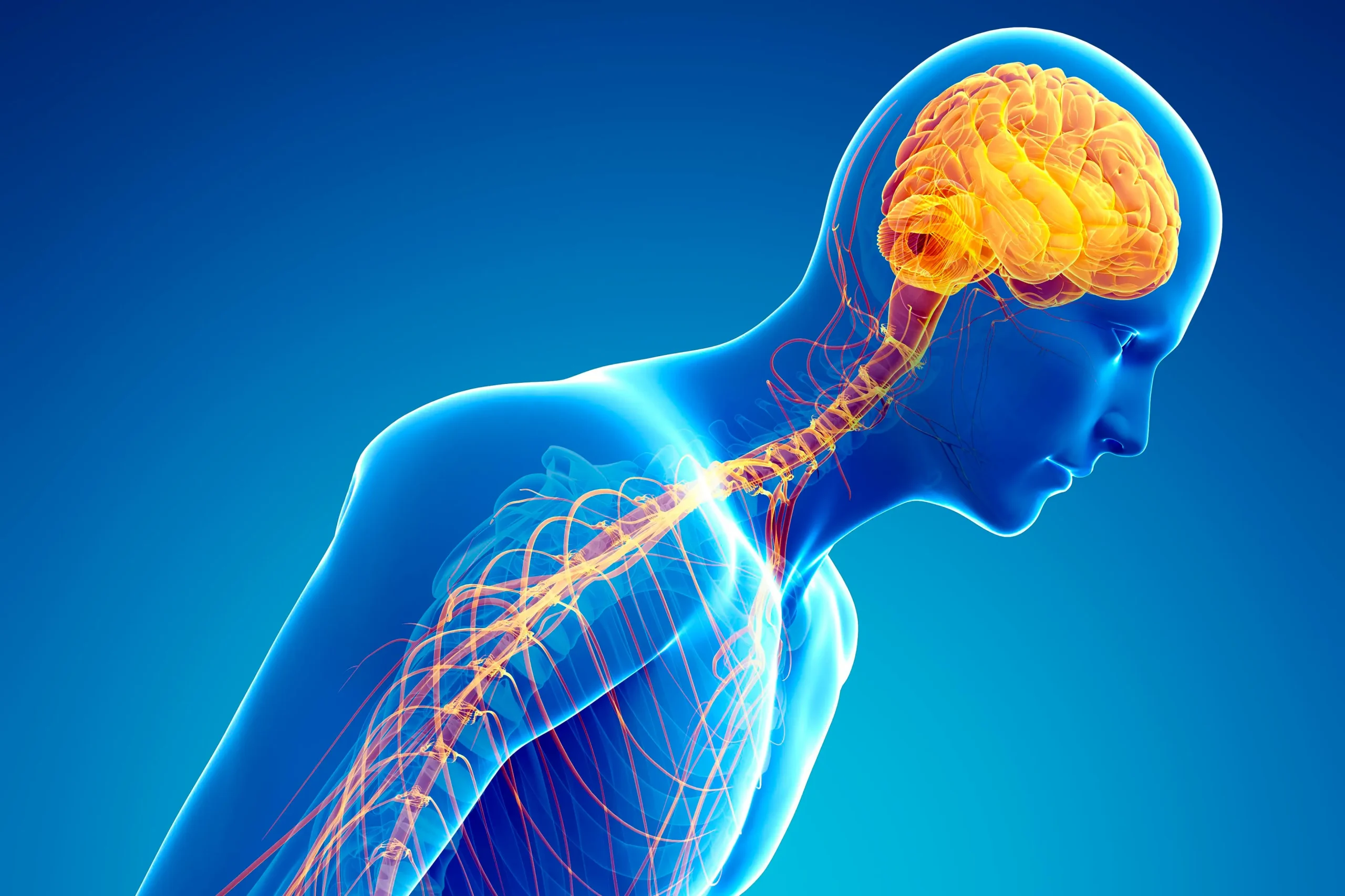
One of the diseases that affects the brain and gets worse over time is known as Parkinson’s disease. It cannot be cured completely, but can be managed with proper medical care and therapies. Parkinson’s Disease Treatment in Pakistan is available in many hospitals and neurological centers where patients can receive medications, rehabilitation, and supportive care to improve their quality of life. However, this disease destroys cells in the brain that make dopamine.
Dopamine is a messenger that helps your brain control how you think, move, and feel. This disease usually causes problems with movement. Its causes are largely unknown, but people with a family history of this disease have a higher risk. Moreover, people living in industrial areas or near farms where they are daily exposed to toxic chemicals and fertilizers can also develop this disease.
It mostly occurs in older people, but 5–15% of young people can also be affected. The main signs and symptoms include slow movement, muscle stiffness, expressionless face, trouble walking, constipation, mental health disorders such as depression or anxiety, sleep disorders, and other complications.
Yes, Parkinson’s can definitely affect your eyes. First of all, it is important to remember that the eyes depend greatly on the proper function of the brain and nerves. Since Parkinson’s is a brain disorder that affects brain performance and nerves responsible for movement, the eyes can also be impacted.
In some cases, patients may even require consultation with eye specialists or consider supportive options such as eye laser treatment in Lahore to manage certain vision-related complications alongside neurological care. Eyes depend entirely on brain activity because muscle tissues control their movements, hydration, focusing, and blinking.
When Parkinson’s disease impacts neural functions negatively, the eyes can stop doing their job correctly. According to scientific research, about 80% of all Parkinson’s patients deal with some eye and vision disorders throughout their lives. In certain cases where patients also experience age-related vision problems, doctors may discuss intraocular lenses types and options as part of broader eye care and vision management.
Most often, these conditions vary greatly from minor discomfort to severe difficulties in performing some basic activities such as reading, driving, or identifying faces. Unfortunately, eye conditions caused by Parkinson’s usually go unnoticed due to the fact that patients are more concerned with typical symptoms related to movement skills deficiency. However, knowing about the vision issues can help in timely treatment.
Double vision can often occur because the eye muscles have trouble working together, especially when seeing up close. Both of your eyes usually move together in the same direction, which allows seeing one picture. However, when the eyes fail to work in the correct way, it leads to seeing two different pictures.
Dry eye is one of the most common symptoms of Parkinson’s disease. It happens due to decreased blinking. Normal people blink 15 – 20 times a minute, while patients with this disease blink only 1 – 2 times a minute, causing irritated eyes and blurry vision.
Trouble opening the eyes is known as apraxia. Usually, eyes can move freely, changing direction quickly. Patients with Parkinson’s disease find it difficult to move their eyes properly, having trouble looking left, up, and down, following moving objects, etc.
Trouble reading can occur due to problems with eye movements. It becomes hard to move the eyes when reading the lines of a page, as it requires quick movement of the eyes.
Light sensitivity can also be found in Parkinson’s patients. Such people blink less, causing dry eyes, which makes them unable to control the amount of light that can enter their eyes and hence become sensitive to bright light.
Visual hallucinations are another symptom that occurs in some patients dealing with Parkinson’s disease. Some people start to see people, things, animals, etc., which are not actually there because the brain is unable to process what the eyes see.
The table below describes the major differences between the two methods of cataract removal:
| Eye Problems | What does it feel like? | Why does it happen? |
|---|---|---|
| Dry eyes | Burning, irritating, redness. | Less blinking of eyes. |
| Double vision | Two different pictures appear. | Eye muscles don't work together. |
| Blurry vision | Objects look unclear. | Medication. |
| Trouble reading | Lines and words look unclear. | No proper eye movement. |
| Trouble with eye movements | Difficulty moving eyes. | No proper eye movement. |
| Light sensitivity | Irritation to bright light. | Too much light enters the eyes. |
| Visual Hallucinations | Distress. | Improper brain function. |
Treat Your Eyes Affected by Parkinson’s Disease at Eye Care Center. Dr. Nabeel offers Advanced Treatment Options for All Kinds of Eye Problems
Most of the eye problems related to Parkinson’s can be treated. The ophthalmologist will start by taking a history, asking about your symptoms, when they started, and how they affect your life. They will also test how sharp your vision is, check your eye pressure, and examine the inside of your eye.
In some situations, specialists may also review a patient’s medical background and discuss related concerns, including laser eye surgery causes, to better understand overall eye health before recommending treatment. Finally, they also test how well your eyes move together and how quickly they can shift focus.
Here are some of the treatment methods that effectively manage eye problems during Parkinson’s disease:
Dry eyes can be treated by using artificial tears to make the eyes wet. They are easily available at the medical stores. Additionally, special medicine and tiny plugs may also be used to keep the water in your eyes if they still hurt. The use of a humidifier, which is a machine that puts moisture in the air, is another possible solution.
If the problem is there, special glasses with prism lenses can correct double vision by bending light so that both eyes see a single clear image. An experienced eye doctor can prescribe these after checking the patient’s eyes. In some cases, covering one eye for some time can give relief from double vision.
Vision therapy (a type of guided exercise program for your eyes) can help train the eyes to move smoothly and work better together. Reading glasses with a prescription also make a big difference. Some patients benefit from reading books with large print, listening to audiobooks, or using text-to-speech apps on their devices.
Glasses with a color tint or special coating are an option for people with this issue. They can also wear wraparound sunglasses to block sunlight. To avoid irritation, people should use low-brightness and less bright lights at home.
This usually requires a conversation with the patient’s neurologist, who is the doctor managing their Parkinson’s Disease Disorder. Sometimes adjusting Parkinson’s medications helps. In some cases, patients may need additional treatment. It’s essential not to ignore hallucinations. Report them to the doctor as soon as possible.
Based on these findings, the ophthalmologist may prescribe glasses, eye drops, or prism lenses. The ophthalmologist sometimes works alongside the patient’s neurologist, sharing findings so that the overall management of Parkinson’s can be adjusted if needed. Regular eye check-ups, at least once a year, are strongly recommended for anyone with Parkinson’s.
So, can Parkinson’s affect your eyes? The answer is Yes. Parkinson’s disease affects more than your hands. It can quietly affect eyes in ways that make life harder, from dry, irritated eyes to difficulty reading or even seeing double. These problems are really common and deserve attention.
The important thing to remember is that patients don’t have to accept these changes as part of Parkinson’s disease. Many eye problems in Parkinson’s can be improved with treatment. There are options available, whether it’s a bottle of eye drops, a pair of glasses, or a dedicated eye exercise plan.
If you or someone you care for has Parkinson’s disease and has noticed any changes in vision or eye comfort, bring it up to the Eye Care Center. This dedicated center provides expert treatment for Parkinson’s patients having problems with their eyes. Dr. Nabeel Khalid has more than 20 years of experience in managing different kinds of eye problems, from simple to complex. So book an appointment and get expert care without compromising on treatment quality.
Start Your Eye Care Today Good vision is perhaps one of the greatest gifts that a person can have. Vision makes it possible for people to fully experience
Start Your Eye Care Today A better vision can transform lives. It can help in working, driving, reading books, enjoying hobbies, and connecting with people without any fear.
Eyes allow people to experience life’s most precious moments, from a child’s smile to a beautiful sunset. But for many people around the world, these moments are taken
Cataracts are some of the most common conditions associated with aging eyes worldwide. In this condition, the natural lens gradually starts to be clouded, due to which an
While deciding to have an eye treatment, the primary focus remains on eye health and better vision. Though it’s critical to understand that it’s about one’s general well-being.
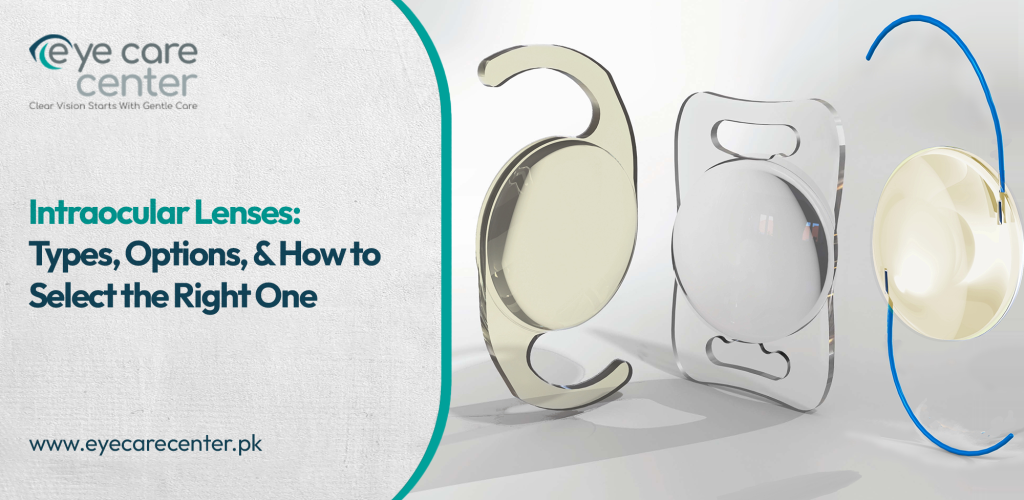
Inability to see the world clearly is something that can limit everything in your life. Cataract or cloudy eye lenses are a medical condition that can interfere with

Cataract surgery is for treating cloudy lens problems. It has become the safest cloudy eye problem solution today. It brings your clear vision back. However, Recovery After Cataract
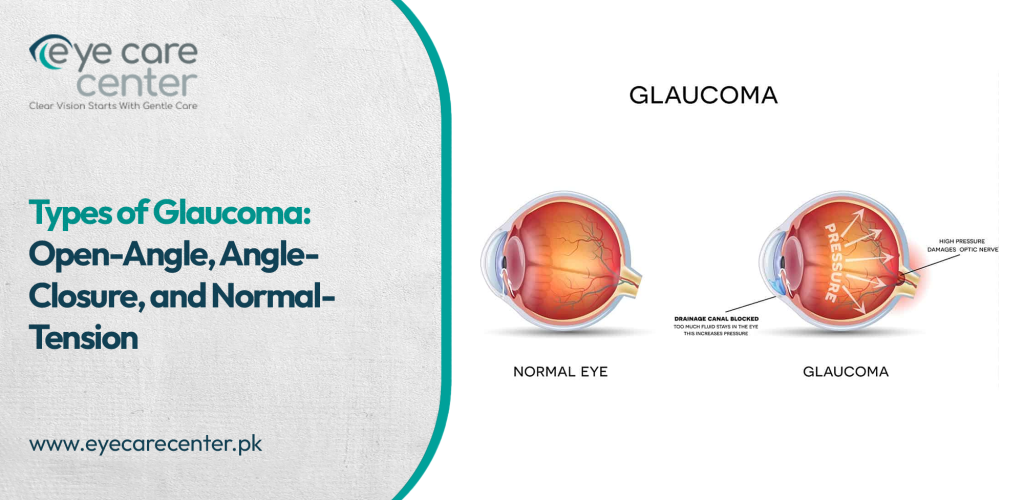
Glaucoma is one of the leading causes of permanent vision loss. Yet a lot of people carry this condition for years without knowing it. Rather than a single