
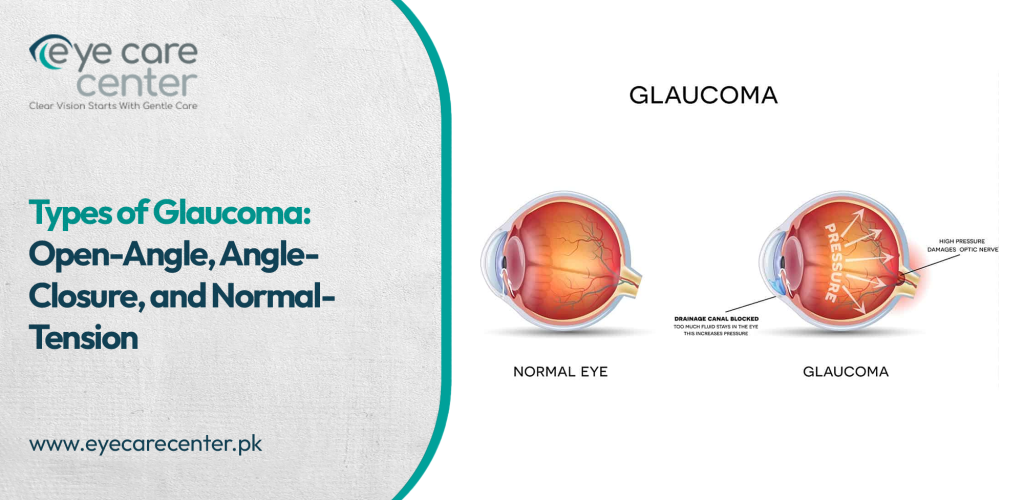
Glaucoma is one of the leading causes of permanent vision loss. Yet a lot of people carry this condition for years without knowing it. Rather than a single disease, glaucoma covers a group of eye conditions and has different types. Those conditions progressively damage the optic nerve.
The optic nerve is a structure responsible for sending visual signals from the eye to the brain. In most cases, rising pressure inside the eye drives this damage. Even so, pressure is not always the only factor. It also involves other factors, like what you will see in the case of normal tension glaucoma. Different types of glaucoma show dynamic behavior.
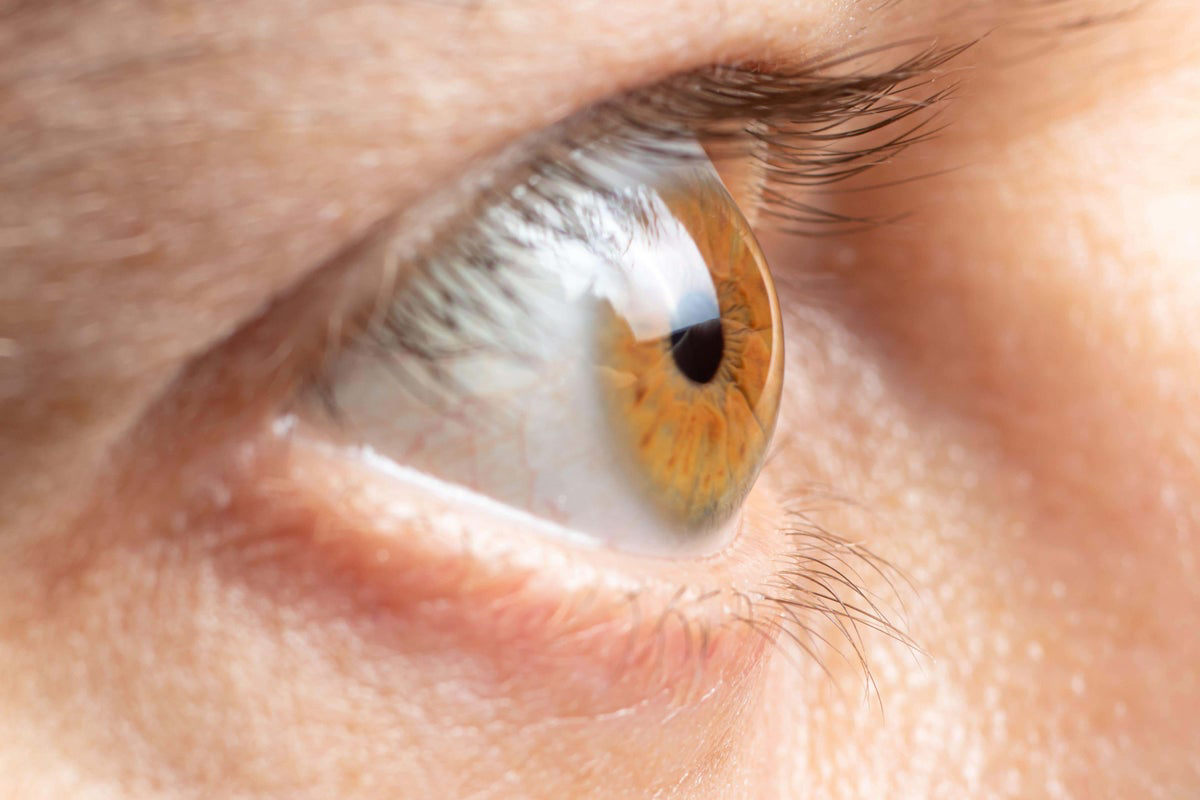
At the Eye Care Center, Dr. Muhammad Nabeel Khalid specializes in diagnosing and managing glaucoma with a patient-focused approach aimed at preserving vision and preventing further optic nerve damage.
It affects different groups of people and requires different treatment strategies, including timely glaucoma treatment in Lahore for patients who need specialized care. So understanding these distinctions is not just medically interesting; it could also help protect your vision long before any damage becomes permanent.
| Feature | Details |
|---|---|
| What is it |
|
| Global impact |
|
| Key danger |
|
| Main categories |
|
| Primary treatment usually |
|
For expert glaucoma care in Pakistan, Dr. Nabeel Khalid holds years of specialized experience in treating all types of glaucoma. His patient-focused approach helps protect your vision before permanent damage occurs.
There’s a fluid called aqueous humor. It continuously flows through every healthy eye. Internationalize the eyes’ internal structures. Then it drains out through mesh-like canals. It is present where the iris and cornea meet. This junction is called the drainage angle. When this dream is possessed, it slows down or stops.
The pressure accumulates inside the eye. Over time, that pressure presses directly on the optic nerves and the retina. This stain destroys them both progressively. The wonder is that it all occurs in silence. No visible symptoms are present. That makes it especially dangerous. Most types of glaucoma produce no pain and no early visual changes. Therefore, by the time someone notices any problem, the damage has often already occurred.
This damage occurs to substantial nerves. In fact, up to half of glaucoma patients don’t know they have this disease. That’s the reason why the eye exam matters so much. It is especially necessary for those who fall into high-risk categories.
It occurs when a doctor cannot link it to any medical condition. They classify it as primary glaucoma. This category includes the most common and studied forms.
There’s a fluid called aqueous humor. It continuously flows through every healthy eye. Internationalize the eyes’ internal structures. Then it drains out through mesh-like canals. It is present where the iris and cornea meet. This junction is called the drainage angle. When this dream is possessed, it slows down or stops.
The pressure accumulates inside the eye. Over time, that pressure presses directly on the optic nerves and the retina. This stain destroys them both progressively. The wonder is that it all occurs in silence. No visible symptoms are present. That makes it especially dangerous. Most types of glaucoma produce no pain and no early visual changes. Therefore, by the time someone notices any problem, the damage has often already occurred.
This damage occurs to substantial nerves. In fact, up to half of glaucoma patients don’t know they have this disease. That’s the reason why the eye exam matters so much. It is especially necessary for those who fall into high-risk categories.
It’s a surprising condition. Why? Because of optic nerve damage, even high pressure stays within the standard range of 12 to 22 mmHg. Yet it deteriorates the nerve but sustains the pressure.
Although many researchers are working on it, recent evidence points to two contributors.
But still, conditions like low blood pressure, irregular heartbeat, and cardiovascular diseases appear. It even appears at high frequency among patients with this type.
Higher risk groups include,
Even though pressure appears normal, the treatment focuses on reducing it further. It aims for 30% reduction from the patient’s baseline. If a person has cardiovascular conditions, then managing this pressure treatment alongside can slow the disease progression.
Its open-angle counterpart. Angle closure glaucoma can put you into a medical emergency with very little warning. In this type, the outer edge of the iris pushes forward. It physically blocks the drainage angle. So, optical fluid can not exit the eye at all. Pressure then increases to a dangerous level within hours rather than years.
You are supposed to get emergency care immediately if any of the symptoms appear suddenly.
Without a quick treatment, permanent blindness can occur within days. Doctors give medications that rapidly lower pressure and then perform laser peripheral iridotomy. It’s a procedure that creates small openings in the iris. It restored proper fluid drainage. Doctors treat both eyes at once.
Although only one currently shows signs of closure, he also treats the other to prevent its future occurrence in the other eye. There is a chronic form of angle-closure glaucoma. It develops silently and slowly, much like open-angle glaucoma. This version responds well to medications and laser operation for eyes. If only it had gotten early identification.
Although congenital glaucoma is rare, it affects about 1 in 10,000 newborns in our country. It occurs when the eye’s drainage canals develop correctly before birth. So pressure builds from the very start of life. Parents can detect its signs early.
Surgery is the standard and effective treatment for this condition. Babies who receive timely surgical care go on to develop normal vision. There are no more chances of lasting damage. Glaucoma can affect children of a wider age range than newborns only. This broad category is known as pediatric glaucoma.
Early Detection Can Save Your Sight
Consult Dr. Nabeel Khalid for Advanced Glaucoma Care at Eye Care Center
| Type | Primary Cause | Feature |
|---|---|---|
| Neovascular |
|
|
| Pigmentary |
|
|
| Exfoliative (Pseudoexfoliation) |
|
|
| Uveitic |
|
|
| Traumatic |
|
|
It is difficult to fully prevent glaucoma. Yet early detection and consistent management can make a difference in long-term results. The most effective option is regular eye exams. Conditions like diabetes and high blood pressure management can reduce the risk of other forms of disease. Also, wearing protective eyewear reduces the risk of glaucoma.
Understanding intraocular lenses types & options is also important for patients undergoing eye treatments, as it helps in making informed decisions for overall eye health. Dr. Nabeel Khalid is a trusted name in the treatment of types of glaucoma. He offers advanced diagnostic and pressure management solutions for each patient’s condition. Early consultation will help you preserve your sight from loss.
Start Your Eye Care Today Good vision is perhaps one of the greatest gifts that a person can have. Vision makes it possible for people to fully experience
Start Your Eye Care Today A better vision can transform lives. It can help in working, driving, reading books, enjoying hobbies, and connecting with people without any fear.
Most people know that Parkinson’s disease causes hands to shake and body movements to slow down. However, a lot of people do not know that this disease can
Eyes allow people to experience life’s most precious moments, from a child’s smile to a beautiful sunset. But for many people around the world, these moments are taken
Cataracts are some of the most common conditions associated with aging eyes worldwide. In this condition, the natural lens gradually starts to be clouded, due to which an
While deciding to have an eye treatment, the primary focus remains on eye health and better vision. Though it’s critical to understand that it’s about one’s general well-being.
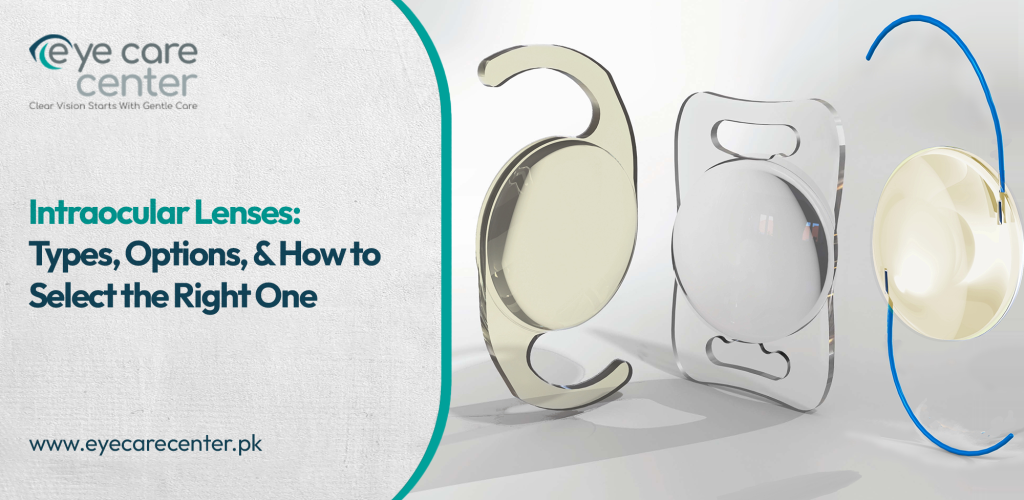
Inability to see the world clearly is something that can limit everything in your life. Cataract or cloudy eye lenses are a medical condition that can interfere with
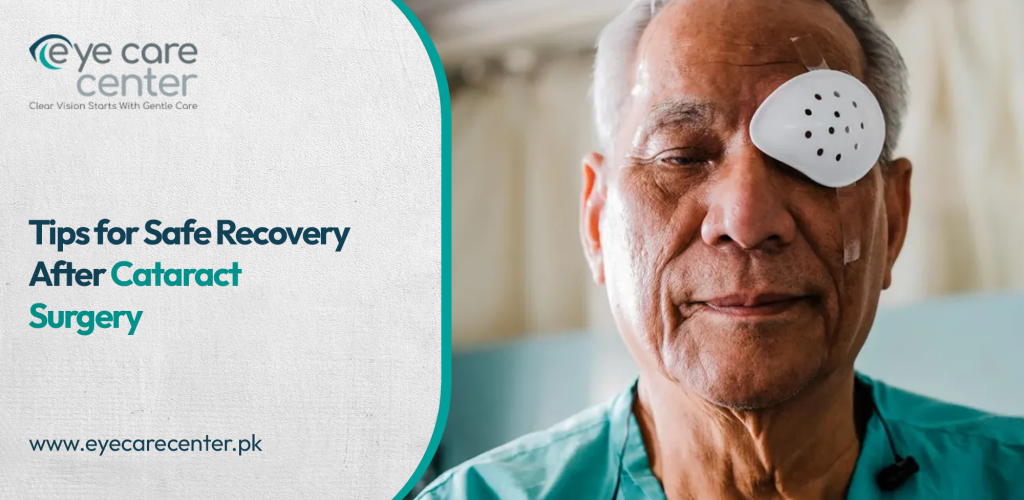
Cataract surgery is for treating cloudy lens problems. It has become the safest cloudy eye problem solution today. It brings your clear vision back. However, Recovery After Cataract