
Inability to see the world clearly is something that can limit everything in your life. Cataract or cloudy eye lenses are a medical condition that can interfere with your vision, just as other serious eye conditions like different types of glaucoma can gradually damage eyesight if left untreated.
However, medical science gives a comprehensive solution to this problem in the form of cataract surgery.
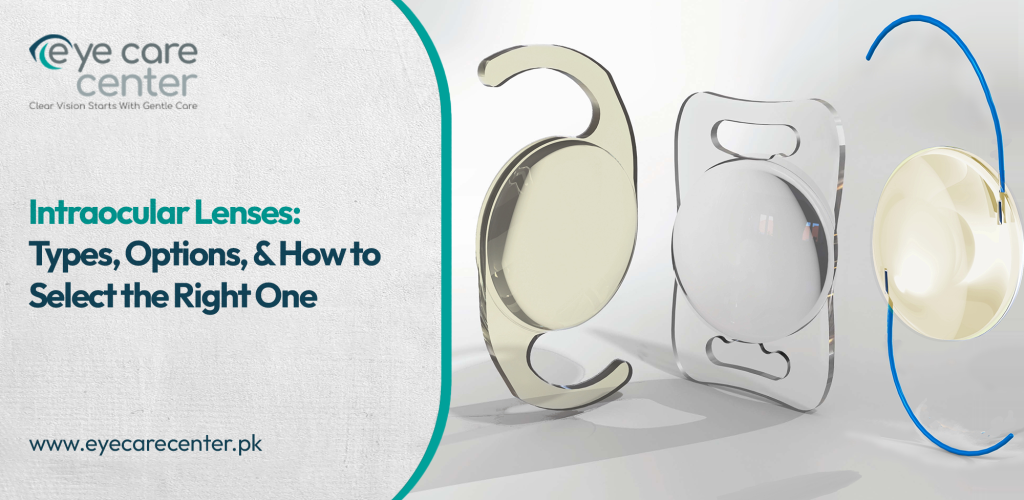
As it helps in restoring clear vision by removing the cloudy natural lens and replacing it with an artificial one, the intraocular lens (IOL). But all is not so simple as it looks. Not every IOL functions in a similar way. There is a great variation in these lenses and hence in their function.
Only the right selection of IOL can make your surgery successful and deliver lasting outcomes. An experienced and compassionate eye surgeon is the only reliable person who can guide you in making wise decisions. At the Eye Care Center, Dr. Muhammad Nabeel Khalid is a trusted ophthalmologist, providing excellent eye care treatment facilities with a patient-centered approach.
Under the emotion of a deep dedication to his profession, he gives patients the best solution for their eye disorders based on their specific needs. In this blog, all the discussion will comprise differentiated types of intraocular lenses, their functions, and the results they bring to your life.
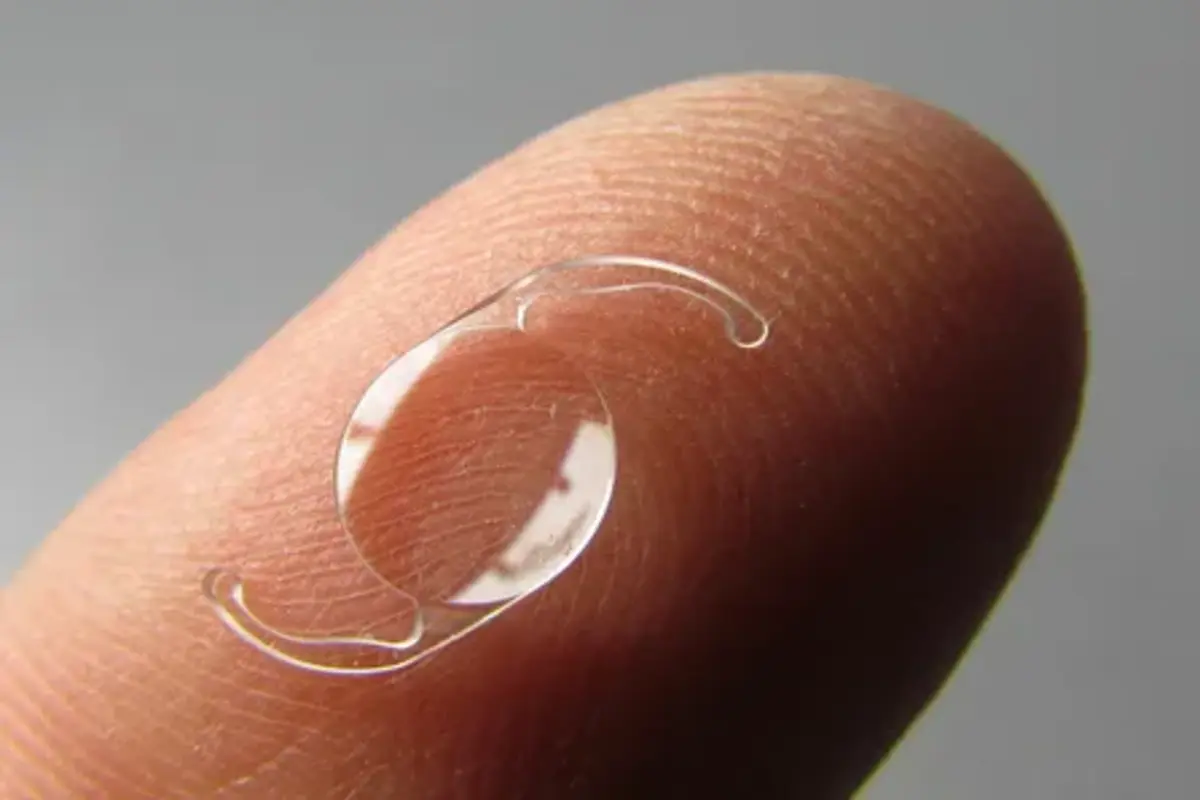
Your eyes are naturally blessed with a lens through which light passes, and you can see clearly. However, it is a sensitive part of the eye and could get hurt due to ageing, injury or medical conditions like cataract. In all such instances, Intraocular lenses are synthetic versions used to replace the eye’s lens.
Surgery is the only way for the replacement. The artificial lenses are specifically designed to provide clear vision and are implanted into the eye surgically. Apart from restoring vision, intraocular lenses are efficient in treating visual disorders.
In certain cases, for instance, refractive lens exchange, intraocular lenses are used to fix myopia, presbyopia, and astigmatism. Because the intraocular lens is meant to replace the lens of the patient’s eye, choosing the right intraocular lens is very important. There are numerous types of intraocular lenses.
These include conventional intraocular lenses to multifocal intraocular lenses that treat different visual disorders. Moreover, artificial lenses help solve long-distance or short-distance vision. Patients can avoid or reduce their use of glasses through the selection of the proper intraocular lens.
There are different types of intraocular lenses, and their selection is important as all these types have their own functional properties. Each one specialises in treating specific issues. A short list of these types is as follows.
The first and most basic type is the monofocal intraocular lens (IOL). These lenses are designed to provide clear vision at a single distance, usually for far vision. Monofocal lenses are the most commonly used option because they are affordable, reliable, and effective. However, since they focus on only one distance, patients may still need glasses for close-up tasks such as reading.
Multifocal lenses, as the name indicates, are lenses that contain multiple built-in corrective zones. These allow patients to see with clear vision in all these respective directions, like at near, normal, intermediate and far distances. They are ideal for individuals who want to reduce their dependency on glasses. However, some patients experience mild side effects such as glare, especially at night.
EDOF lenses provide a continuous range of vision but provide a single corrective zone rather than a separate focal point. They offer good distance and intermediate vision, making them suitable for activities like computer work. However, they have functions similar to bifocal or trifocal lenses. It doesn't show side effects for this range of vision, usually causing less glare or halo issues compared to multifocal lenses.
These lenses are made in such a way that they provide clear vision at different ranges. They do this through the principle by which eyes normally function in terms of focusing on objects. In doing this, they move slightly inside the eye so as to accommodate near, intermediate, and distant vision. The effectiveness of these lenses in terms of their use may differ depending on the individual using them.
Toric lenses are a special creation helping patients to correct astigmatism. In this condition, the cornea has an irregular shape or curve instead of being a normal spherical shape. These lenses correct the uneven curvature of the cornea, providing clear vision for both near and distant regions. In moderate to severe cases of astigmatism, the toric lenses work perfectly. They include some monofocal and presbyopia correcting lenses.
These are newer advancements in intraocular technology and are monofocal. It has a specific ability for customisation even after surgery by light treatment procedures. After surgery, your ophthalmologist can deal with any remaining refractive errors. He makes adjustments to give personalised and optimal vision using controlled UV light exposure. This adjustment can treat monofocal and multifocal issues along with astigmatism.
Get the right intraocular lens for improved vision and reduced dependence on glasses: Visit Eye Care Center
Meet Dr Muhammad Nabeel Khalid for safe, effective and enhanced vision correction results
Selecting the right IOL is a crucial step. It involves certain factors and adjustments to balance both eye health and lifestyle.
It’s a common practice to have a wavefront analysis before LASIK surgery. The doctor uses scanners to create an advanced topographic map, like a chart, that contains the necessary eye measurements needed to plan the surgery accurately.
Selecting the correct lens depends on your condition, and for this, you need expert advice. An experienced ophthalmologist evaluates the health of your eyes as a whole to ensure the success of the surgery.
This is done through a complete eye check-up, assessing the structure of your eye and your visual requirements. Depending on the results, the doctor then selects the lens that suits your eyes best.
While having a lens replacement surgery can alter your lifestyle, picking the proper lens is duly important. Case in point, some people find it troublesome and don’t want to wear glasses to do everyday tasks.
Such individuals can get multifocal or premium EDOF lenses, as these are the best choice for minimising the need for glasses for various activities like reading, driving, and using digital devices.
On the other hand, people who spend long hours reading or working on computer screens prefer monofocal lenses that are set for near vision. Similarly, those who frequently drive at night often use monofocal lenses, as they produce less glare than multifocal and EDOF lenses.
The selection of the proper type of intraocular lens (IOL) is largely dependent upon the unique eye condition of each individual. The lens chosen should fit the unique eye condition; otherwise, it could pose challenges for patients suffering from certain preexisting eye conditions such as astigmatism, retinal disease, dry eye, and other eye diseases.
In cases where the eye suffers from astigmatism, special types of IOLs, such as toric lenses, remain best. On the other hand, some high-tech lenses might not be appropriate for patients with retinal diseases. Through such evaluations, one will end up choosing the most effective type of IOL
Another critical factor is the cost. Monofocal lenses are less expensive. While multifocal, EDOF, and toric lenses are considered premium options, which requires higher out-of-pocket expenses. However, cost balancing helps a lot in making a practical decision.
In summary, the possibility of replacing the eye lens with an artificial lens is a great breakthrough in medical science. Procedures like cataract eye surgery have helped numerous people to restore their vision and address vision disorders, along with providing essential recovery tips after cataract surgery to ensure optimal healing. The best part is that intraocular lenses are now available in a wide range.
Hence, they can meet the majority of people despite suffering from unique issues. However, IOLs differ in design to correct vision at varying distances, making appropriate lens selection crucial. However, lens choice may not only depend on the various options available, but other considerations also make it critical.
These include the individual’s lifestyle, their overall eye condition, and vision requirements. The advice from an experienced ophthalmologist can be helpful in this regard. Dr. Muhammad Nabeel Khalid is an eminent eye specialist who performs cataract surgeries precisely.
He conducts a thorough examination of the eyes of his patients to advise them accordingly on the most suitable lens. Approaching such a surgeon, in addition to getting basic information about IOLs, can help you be confident about your lens selection.
Start Your Eye Care Today Good vision is perhaps one of the greatest gifts that a person can have. Vision makes it possible for people to fully experience
Start Your Eye Care Today A better vision can transform lives. It can help in working, driving, reading books, enjoying hobbies, and connecting with people without any fear.
Most people know that Parkinson’s disease causes hands to shake and body movements to slow down. However, a lot of people do not know that this disease can
Eyes allow people to experience life’s most precious moments, from a child’s smile to a beautiful sunset. But for many people around the world, these moments are taken
Cataracts are some of the most common conditions associated with aging eyes worldwide. In this condition, the natural lens gradually starts to be clouded, due to which an
While deciding to have an eye treatment, the primary focus remains on eye health and better vision. Though it’s critical to understand that it’s about one’s general well-being.
Cataract surgery is for treating cloudy lens problems. It has become the safest cloudy eye problem solution today. It brings your clear vision back. However, Recovery After Cataract
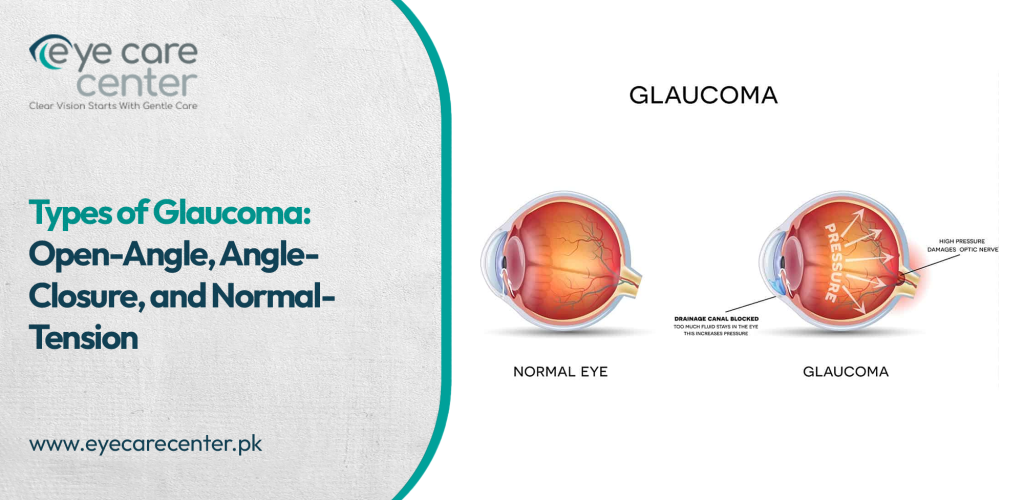
Glaucoma is one of the leading causes of permanent vision loss. Yet a lot of people carry this condition for years without knowing it. Rather than a single