
Cataract surgery is for treating cloudy lens problems. It has become the safest cloudy eye problem solution today. It brings your clear vision back. However, Recovery After Cataract Surgery plays a crucial role in how well your vision improves.
Whatever you do in days or weeks, and what follows, plays an equal role in how well your vision returns. Therefore, you must know how to care for your eyes after the operation. It could mean the difference between a smooth recovery and avoidable complications. This guide shows you the most practical steps to protect your eyes. It will help you with medically grounded steps that support healing and get back to your clear vision as clearly as possible.
Before covering recovery tips, here’s a quick reference of cataract surgery. What does it mean during the procedure?
| Category | Details |
|---|---|
| Procedure type |
|
| Duration |
|
| Anesthesia |
|
| Setting |
|
| Lens replaced with |
|
| Success rate |
|
| Both eyes |
|
| Level of pain |
|
Like all surgical procedures, direct surgery also carries a small chance of complications. However, when performed by an experienced surgeon. It produces positive outcomes that outweigh the risk. Although risks are rare, benefits work for a great majority of patients.
| Benefits | Possible Risks |
|---|---|
|
|
|
|
|
|
|
|
|
|
|
|
Your surgeon's postoperative instructions for your eyes. The eye drops control infection and swelling. So don’t skip a single dose. It can cause complications.
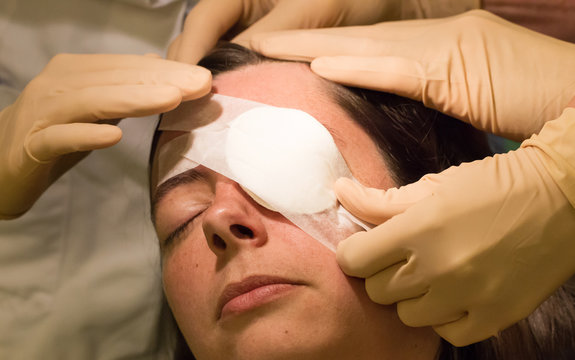
During the first week, you must wear the protected shield. Even a light and unconscious rubbing can dislocate the lens. So shields eliminate this risk.
Screens are tempting right after surgery. Yet sooner or later, too much use puts unwanted pressure on a healing eye. So for the first two days, limit any kind of screen time. Also, get good sleep. As we know, the body self-repairs during rest.
There are microorganisms in tap water, shower water, and pool water. They can infect a fresh surgical site. Therefore, no water should enter the eye for the first one to two weeks. That's why swimming pools and open water are not allowed for exposure. Avoided them for a full month after surgery.
Physical effort raises internal eye pressure. It stresses the healing incision. So pause the heavy movements of any kind. Still, light daily activity is usually fine. It will resume within a few days. Your surgeon can confirm the right time to return to your routine.
You will face common irritants during recovery. These include dust, wind, and bright sunlight, which are common irritants. Wear sunglasses with UV protection. Every time you step outside, wear them.
When you apply eye drops. You should properly wash your hands before every application. Keep the head back and stay tilted. So place one drop in the eye by lowering the eyelid. Do not let the eyedropper touch it. Then close the eye for a few seconds to 1 minute. Also, press lightly on the inner corner. It will slow drainage and improve absorption.
These follow-up visits help your surgeon to track healing. By checking your eye pressure, he can confirm your vision improvement. Usually, a general schedule for appointments is one day, one week, and four to six weeks after surgery. However, if you feel sudden pain or an emergency of heavy redness appears before a scheduled visit. Then the clinic should be contacted that same day.
You should consume a diet rich in leafy greens and citrus fruits. Also, the omega-3 sources, such as fish and walnuts, support healing and reduce inflammation. Furthermore, staying hydrated prevents the eye dryness that is common after surgery. Avoid alcohol completely during recovery. As it can interact with prescribed medications.
Safe Recovery After Cataract Surgery
Get Expert Guidance from Dr. Nabeel at the Eye Care Center to Help You Heal Safely and Restore Clear Vision.
Cataract surgery has a solid and safer history. However, being aware of potential warnings helps you act smarter. You can act quickly if something requires sudden attention. Your surgeon should be the first contact you make. If any of the following occurs,
The symptoms could point to many reasons. It can be an infection or retinal problems. Sometimes it occurs due to elevated eye pressure. In each case, earlier attention gives the best solution.
Here is a breakdown of the practical approach for the recovery timeline. All that you can expect at each stage of your recovery. So that you know what is normal and what needs action.
| Time Frame | What To Expect |
|---|---|
| First 24 to 48 hours |
|
| Days 2 to 7 |
|
| Weeks 1 to 2 |
|
| Weeks 3 to 4 |
|
| 5 to 8 weeks |
|
Every recovery begins with the right surgeon. Dr. Muhammad Nabeel Khalid is an FCPS-certified consultant ophthalmologist with a fellowship in vitreoretinal surgery from Mayo Hospital and KEMU. Moreover, she currently performs over 100 independent cataract surgeries every month in the public sector. This is a figure that speaks directly to a stage of surgical experience.
At the Eye Care Center in Lahore, every patient gets a full assessment. This presurgical discussion and postoperative follow-up plan gives you support every step of the way. As a result, patients will get everything needed for the first consultation right through to final vision clearance.
Safe recovery after cataract surgery comes by being informed and staying consistent. Following the prescribed schedule. Do protect the eye from physical and environmental hazards. Attend follow-up appointments and give your body proper rest and nutrition. All these factors play a part in fast recovery.
Most patients notice real improvements within 24 to 48 hours. Indeed, full stabilization happens within 5 to 8 weeks. However, a skilled surgeon, combined with careful postoperative habits, will bring beneficial outcomes. It can be your life-changing experience.
Eye Care Center offers advanced laser and laser-assisted cataract surgery.
The uses the latest ophthalmic equipment paired with clear-cost discussions. They will provide a routine checkup, a regular concern during recovery, and answers to your IOL selection questions. So booking a consultation today will be first up. It will make your path clearer to a brighter future that you have been waiting for.

Start Your Eye Care Today Good vision is perhaps one of the greatest gifts that a person can have. Vision makes it possible for people to fully experience

Start Your Eye Care Today A better vision can transform lives. It can help in working, driving, reading books, enjoying hobbies, and connecting with people without any fear.

Most people know that Parkinson’s disease causes hands to shake and body movements to slow down. However, a lot of people do not know that this disease can
Eyes allow people to experience life’s most precious moments, from a child’s smile to a beautiful sunset. But for many people around the world, these moments are taken
Cataracts are some of the most common conditions associated with aging eyes worldwide. In this condition, the natural lens gradually starts to be clouded, due to which an
While deciding to have an eye treatment, the primary focus remains on eye health and better vision. Though it’s critical to understand that it’s about one’s general well-being.
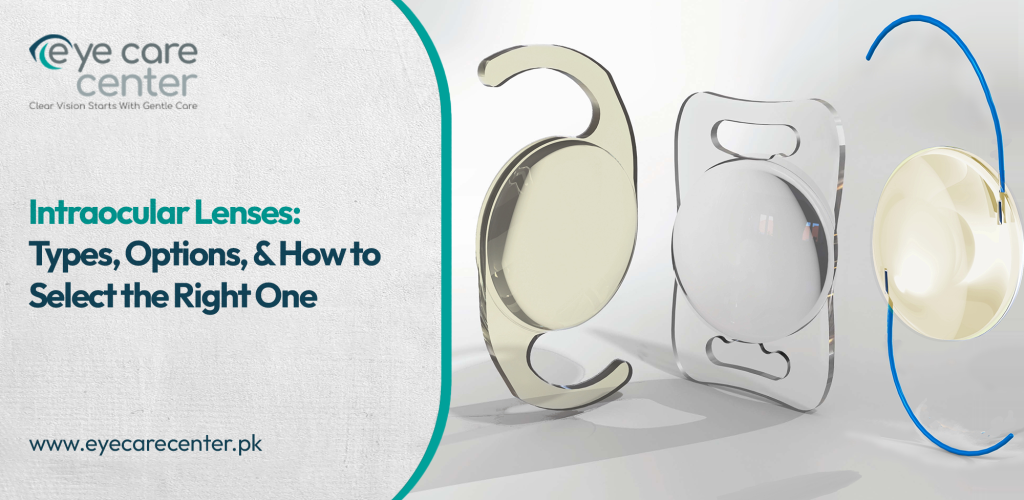
Inability to see the world clearly is something that can limit everything in your life. Cataract or cloudy eye lenses are a medical condition that can interfere with
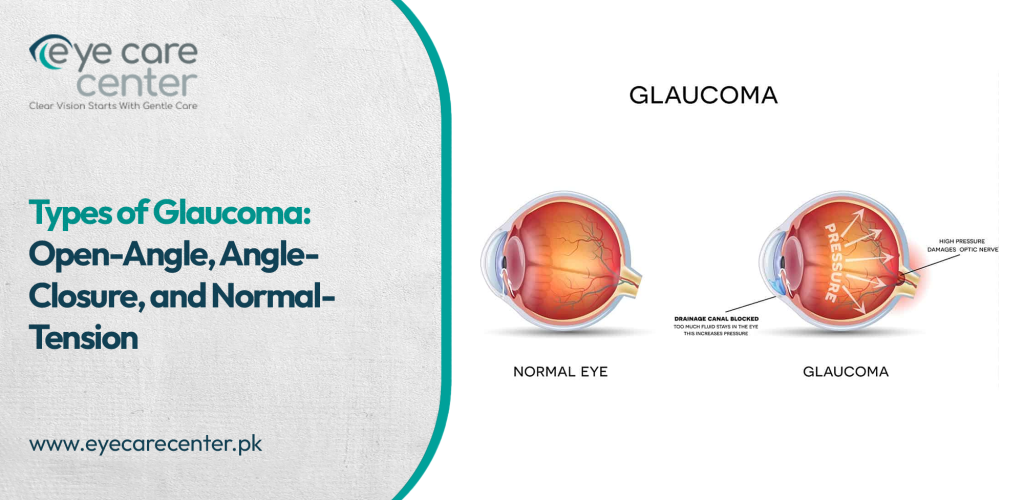
Glaucoma is one of the leading causes of permanent vision loss. Yet a lot of people carry this condition for years without knowing it. Rather than a single